The short answer
Buying an early childhood centre in NZ means buying a business whose licence and Ministry funding must be handed over. Since 1 September 2026 ERO handles the licence change: the seller applies, you pass a fit and proper check, and it takes up to 30 working days. Funding is paid in March, July and November and is never split.
What does buying an early childhood centre in NZ involve?
Buying an early childhood centre in New Zealand is two deals at once. One is an ordinary business purchase: goodwill, fit-out, equipment, a lease or a building. The other is a regulatory handover, because the licence and the Ministry of Education funding that pays most of the bills don’t move automatically when you sign.
Get the business deal right and the handover wrong, and you can own a centre for weeks without being paid for the children in it. That’s the gap this guide is about.
Three things have changed in 2026 that every buyer should know before making an offer:
- ERO now runs licensing. The Ministry’s bulletin of 1 September 2026 says that “from today”, the Education Review Office “will license and certify early childhood education (ECE) providers”, and that changes of management now go to ERO (education.govt.nz).
- The licensing criteria were rewritten. New, streamlined criteria took effect on 20 April 2026, cutting the number of criteria from 98 to 80 (education.govt.nz). A centre that was compliant under the old wording should be checked against the new set.
- Funding is under review. A Ministerial Advisory Group set up in June 2025 is due to report on early learning funding in late 2026, while Budget 2026 gave most services a 1.5% cost adjustment to subsidies, effective 1 July 2026 (education.govt.nz).
A quick definition before we go on. An ECE service provider is the person or entity named on the licence and legally responsible for running the centre. When you buy, the goal is to become that provider on a known date, with funding following you.
How does the licence transfer work when you buy a centre?
In most sales you don’t apply for a brand-new licence. The existing licence is amended to show a new service provider, and the licence number stays the same. The steps were set by the Ministry and ERO now applies them:
- The seller applies, not you. The provider currently operating the licence is always the applicant for an amendment.
- Written evidence of the sale is required before the licence can be amended, so an unsigned heads of agreement won’t do.
- You sit a fit and proper assessment under Part 8 of the Education (Early Childhood Services) Regulations 2008. If you’re assessed as not fit and proper, the application is declined.
- Processing takes up to 30 working days. Until it’s approved, the seller stays legally responsible for operating the service.
- If declined, there’s a right of appeal to the District Court within 14 days of the notice.
Those steps are set out in the guidance on changing ownership of an early learning service. Two practical points follow from them.
First, 30 working days is about six calendar weeks, and longer over Christmas and Easter. If your sale and purchase agreement gives you a three-week settlement, the licence won’t be through in time.
Second, because the seller lodges the application, your agreement should oblige them to do it promptly, give you a copy, and co-operate with ERO’s questions. A seller who has mentally moved on can cost you weeks.
How does Ministry funding follow the sale?
This is where buyers get caught, and it’s the part generic “buying a business” checklists leave out.
ECE funding isn’t paid monthly. According to the Ministry’s ECE Funding Handbook, payments are made three times a year, on the first working day of March, July and November. Each payment combines:
- an advance for the next four months, worked out from the average funded child hours on your last RS7 return, then paid at 75% of the projected total (100% for kindergartens); and
- a wash-up for the previous four months, which tops up the gap between the advance and what the service actually earned, or claws back an overpayment from the next payment.
Now add the change-of-ownership rules from chapter 8 of the handbook:
- funding payments to new owners are not made until the change of provider has been verified;
- if you’ll use a new bank account, you must lodge an RS2 form first, and payments to that account are held until it arrives;
- if ownership changes partway through a funding period, the RS7 can be split into a period before and after the purchase; and
- the handbook is blunt that “the Ministry does not split funding payments”.
Put those together and the risk is obvious. Whoever is the verified provider when a payment is made receives all of it, including the wash-up for months the other party ran the centre. The fix lives in your sale and purchase agreement, not with the Ministry.
The 2 November problem
The next payment date is the first working day of November, which in 2026 is Monday 2 November. The one after that is Monday 1 March 2027.
If you’re buying right now, a settlement in late October means the November payment almost certainly goes to the seller, because the licence change won’t be verified yet. That’s fine if your agreement says the seller must pass on the share of the advance relating to your months, and that you’ll pass back any wash-up that relates to theirs. It’s a problem if the agreement says nothing, because you’ll then carry wages, rent and food for up to four months before the March payment, with only parent fees coming in.
What should you check before you make an offer?
Treat this as your due diligence list. The Ministry itself advises buyers to check how the previous owner ran the service, including the staff hour count and funding rate.
| Check | What to ask for | Why it matters |
|---|---|---|
| Licence and history | Current licence, any provisional licence, past compliance notices | A downgraded or suspended licence changes the process and the price |
| Funding returns | The last six RS7 returns and Ministry payment advices | Shows real funded hours, not the seller’s projection |
| Certificated teacher hours | Rosters showing the share of regulated hours worked by certificated teachers | The funding rate depends on it, and it can drop if senior teachers resign at the sale |
| Occupancy | Rolls by age group, waitlist, recent enrolments and leavers | Under-twos and over-twos earn different rates and need different ratios |
| Parent fees | Fee schedule, debtors list, 20 Hours ECE policy | Fees fill the gap between funding and costs |
| Premises | Lease term, rights of renewal, rent reviews, make-good clauses | Lenders won’t fund goodwill beyond the remaining lease |
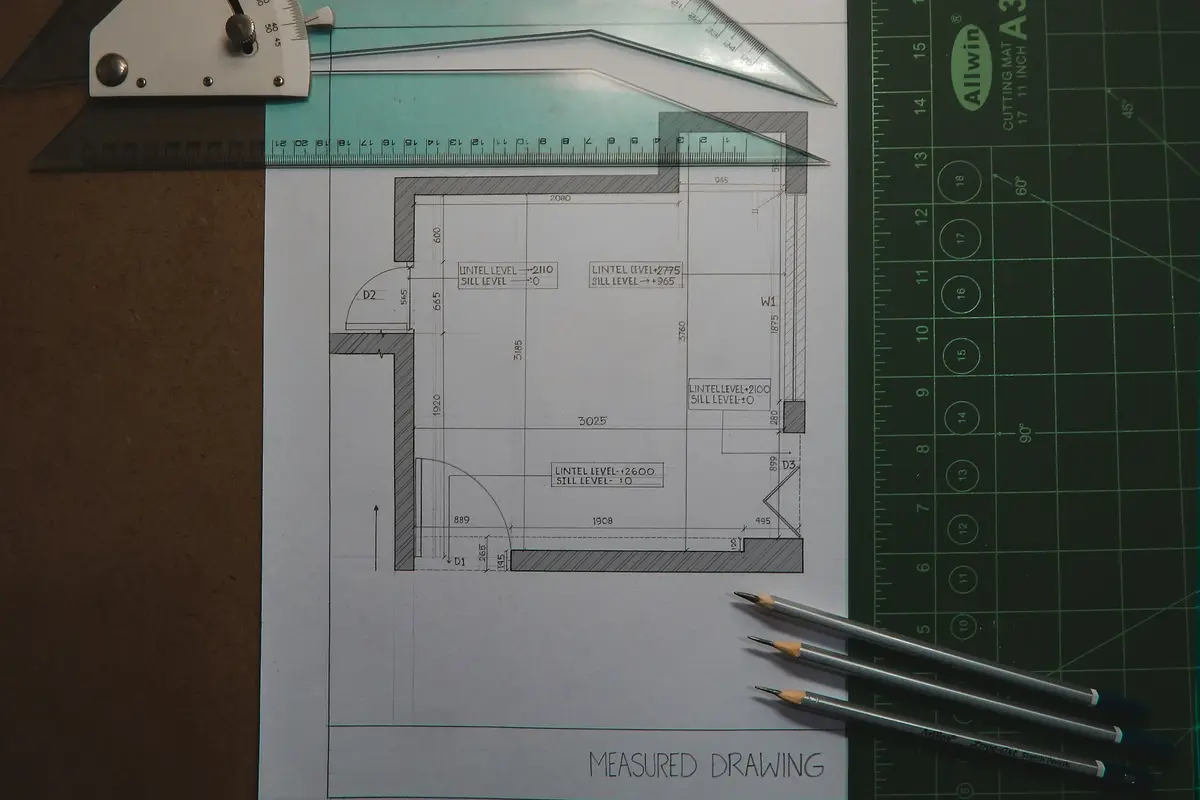
| Space | Floor plans and outdoor area measurements | Licensing needs 2.5 m² of indoor and 5 m² of outdoor activity space per child, set in the 2008 regulations |
| Staff | Employment agreements, leave owing, any personal grievances | Leave liabilities and pay disputes travel with the business |
| Overpayments | Any Ministry invoices or wash-up deductions pending | A clawback can land after settlement |
The space check is worth a second look. Licensed numbers are capped by space as well as staffing, so a seller’s plan to “add ten places” needs to fit the floor plan before you pay for it.
How do buyers fund an early childhood centre purchase?
Very few centres are bought with one loan. Most buyers combine three or four sources, and the right mix depends on whether you’re buying the business only or the land and building too.
| Funding source | Typically used for | Strengths | Watch for |
|---|---|---|---|
| Bank business loan | The bulk of a larger purchase | Long terms | Slow approvals, full financials, big deposit for goodwill |
| Your own cash | Deposit and costs | No repayments | Draining savings leaves no buffer |
| 1st or 2nd mortgage over your home | Deposit, or the whole price on smaller centres | Fast, no financial records needed | Your home is the security |
| Vendor finance | Part of the price paid after settlement | Shows the seller backs the business | Needs careful legal terms |
| Working capital or cash flow loan | The first funding cycle, wages, setup | Fills the gap until funding flows | Size it on real numbers |
| Commercial property loan | Freehold land and buildings | Builds an asset | Valuation and longer lead times |
On smaller centres and on partnership buyouts, LoansOne can often fund the full amount through business acquisition finance, from $20,000 to $500,000. On larger purchases we’re more often funding the deposit, the working capital buffer or the slice the bank won’t cover. A second mortgage is a common way to release equity from your home without touching the bank loan that sits ahead of it, and the property equity calculator gives a quick feel for how much room you have.
Don’t forget the cash you’ll need after settlement. If your first payment as provider is months away, a working capital loan can carry wages and rent until it lands. The cash flow gap calculator helps you size it.
Looking at a centre right now? Check your options here. It takes about a minute, and asking won’t leave a mark on your credit file.
What do lenders check when you buy a childcare centre?
Centre purchases sit in an odd spot for lenders: the revenue is unusually reliable because most of it comes from the government, but the business can’t operate without a licence that the lender can’t take as security. Expect questions on:
- Your fit and proper status. Lenders want to know you’ll pass, and some will make approval subject to the licence change.
- Funded hours and occupancy trends from the RS7 returns, not the information memorandum.
- The certificated teacher mix and whether key staff are staying.
- Lease security. The remaining lease term, renewal rights and the landlord’s consent to assignment.
- Your contribution and where it comes from.
- Serviceability through the funding cycle. Can the repayments be met in the months before your first Ministry payment?
- Your own credit history and any IRD arrears in your other businesses.
Our general guide to business loan requirements in NZ covers the documents most lenders ask for. For a centre, add the licence, RS7 returns, rosters, the lease, and the signed sale and purchase agreement.
A step-by-step timeline for buying a centre
Here’s the order that tends to work, with the regulatory steps slotted in where they actually bite.
- Get finance-ready before you look. Know your contribution, your home equity and your borrowing range, so you can make a confident offer. Lenders move faster when they’ve seen your file early. Our guide on how long a business loan takes in NZ explains where the days go.
- Sign a confidentiality agreement and request the data pack. RS7 returns, licence, rosters, lease, staff list.
- Make a conditional offer. Conditions for finance, due diligence, landlord consent and ERO approval of the change of provider.
- Agree the funding apportionment in writing. Who keeps which part of the next advance and wash-up, and how fast it’s passed on.
- Seller lodges the amendment application with ERO with written evidence of the sale. You supply what’s needed for the fit and proper assessment.
- Finance approval and landlord consent run alongside the ERO process.
- Allow up to 30 working days for ERO, then set settlement for after approval.
- Lodge your RS2 bank account form and make sure the change of provider is verified for funding.
- Settle, then handle the RS7 for the part-period, as agreed in the contract.
- Hold a buffer until your first full payment arrives.
If the seller pushes for a fast settlement, push back politely. A short delay that lines up with ERO approval and a payment date usually costs far less than a gap of several months with no funding.
Example: a Hamilton couple buy a 40-place centre
This is an illustration, not a real client.
A couple in Hamilton agree to buy a 40-place centre on a leased site. One partner is a registered teacher who will be the person responsible, and the other has run a hospitality business for ten years. The price is mostly goodwill and fit-out.
Their bank offers to fund a large share of the price but wants a bigger cash contribution than they have in savings. They release equity from their home with a second mortgage to cover the shortfall. Because their first payment as provider looks likely to be March, they also arrange a working capital facility to cover three months of wages and rent.
The sale and purchase agreement is signed in mid-October. The seller lodges the change of provider with ERO the following week. The couple’s lawyer adds a clause that the November advance relating to the period after settlement must be passed to them within five working days of the seller receiving it, and that they’ll pass back any wash-up for the seller’s months when the March payment lands.
Settlement is set for early December, after ERO approval is expected. They lodge the RS2 form the same week. When the November payment goes to the seller, the clause works as intended, the working capital line barely gets touched, and the senior teachers stay because they were introduced to the new owners in week one rather than on settlement day.
The finance alone didn’t make this work. The timing did, and the finance gave them room to get the timing right.
Common mistakes that cost centre buyers money
- Settling before the licence change is verified. You run the centre, but the funding goes elsewhere.
- Ignoring the wash-up. A big wash-up for the seller’s months can land in your account, or a clawback for their overpayment can come out of yours.
- Valuing on licensed places, not funded hours. A 50-place licence with 32 children enrolled is a 32-child business.
- Losing certificated teachers at handover. The funding rate depends on the share of regulated hours they work.
- Borrowing only for the price. The first funding cycle needs its own cash.
- Assuming the old criteria still apply. The licensing criteria changed in April 2026, so check compliance against the current set.
Ready to put the funding side in place?
Buying a centre is a long game: you’re taking on children, families and a team who’ll judge you in the first fortnight. The money side should be the least of your worries, and it can be, if the deposit, the settlement date and the first funding cycle are planned together.
That’s where LoansOne fits. We look at the whole purchase, from the deposit to the months before your first Ministry payment, and match you with a lender that suits the deal. Unsecured loans and 1st or 2nd mortgages for business purposes run from $20,000 to $500,000, and next-day funding is possible once everything’s in place.
What to expect when you get in touch:
- About a minute to enquire, and your credit score stays exactly where it is. There’s no credit check when you first enquire. A formal check only happens later, if you choose to proceed with a specific lender.
- No spraying your file around. We don’t pass your details to a pile of lenders, so your phone won’t start ringing with strangers.
- A real person on the other end. Someone from our Auckland team reads your enquiry, looks at the centre you’re buying and calls you to talk it through.
- Accurate details, better match. Please fill in the form accurately, including the purchase price, your contribution, any property you own and when you need to settle. Getting it right first time means we can point you to the right option without guesswork.
Prefer a chat first? Call us on 09-888 5252.